Understanding Force Plate Testing
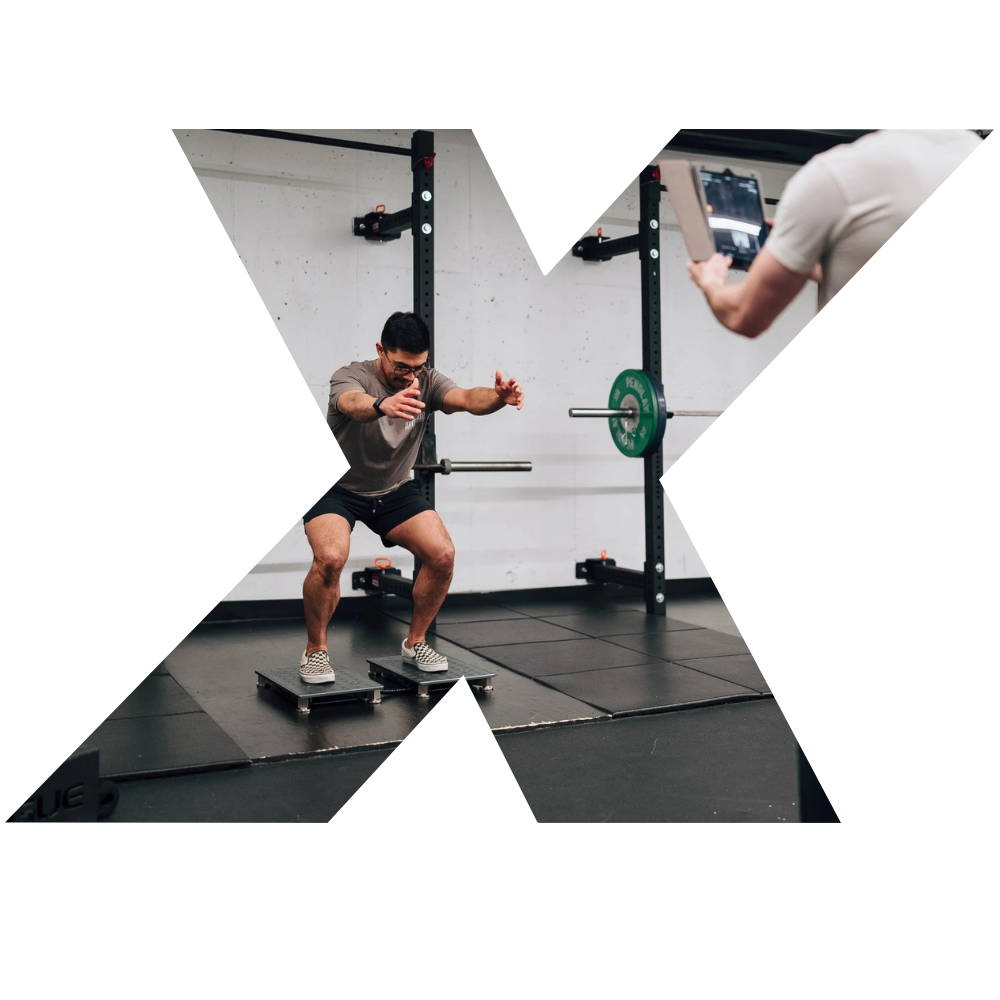
Force plates are precision instruments that measure the forces your body produces during movement — in all three directions: vertical, horizontal, and lateral. When you jump, land, squat, or step, the plate captures thousands of data points per second, giving us an objective window into how your neuromuscular system is functioning.
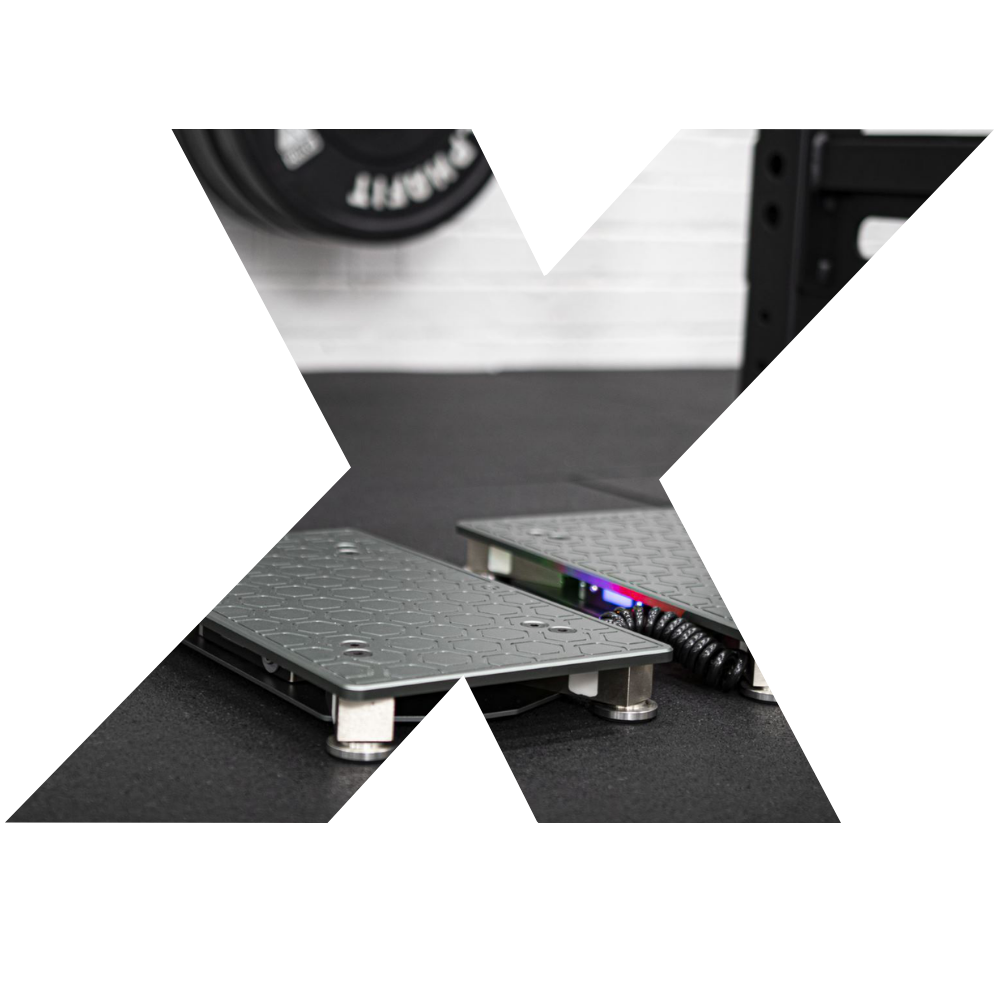
At RecoveryX, we use the ForceDecks dual force plate system — the gold standard used by professional sports teams and research institutions worldwide. The data we collect goes far beyond what any clinical assessment or MRI can tell you: it quantifies exactly how your injured limb compares to your healthy limb.
The Limb Symmetry Index (LSI)
The most critical metric in return-to-sport testing is the Limb Symmetry Index — a percentage that compares your injured leg's output to your healthy leg. Research consistently shows that athletes who return to sport with an LSI below 90% are 4× more likely to re-injure. Our threshold at RecoveryX is 90–95% across all tested tasks before we clear for full return.
4×Higher re-injury risk below 90% LSI
90%Minimum LSI threshold for clearance
<5minTime to complete the full test battery
What We Test
- Countermovement Jump (CMJ) — measures explosive power, peak force, and rate of force development
- Single-Leg Jump for Distance — assesses propulsive force and confidence in the injured limb
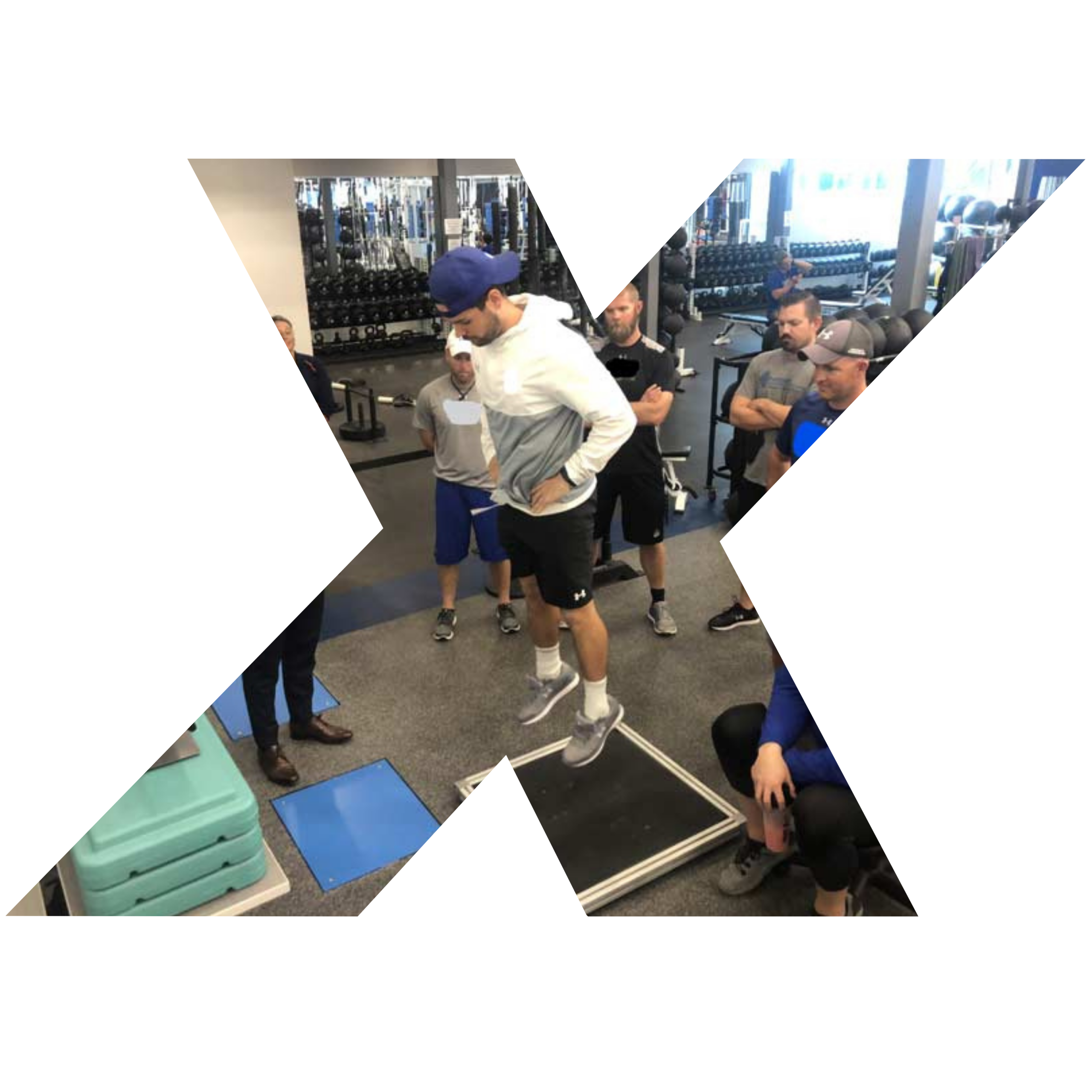
- Single-Leg Landing — evaluates landing mechanics and shock absorption symmetry
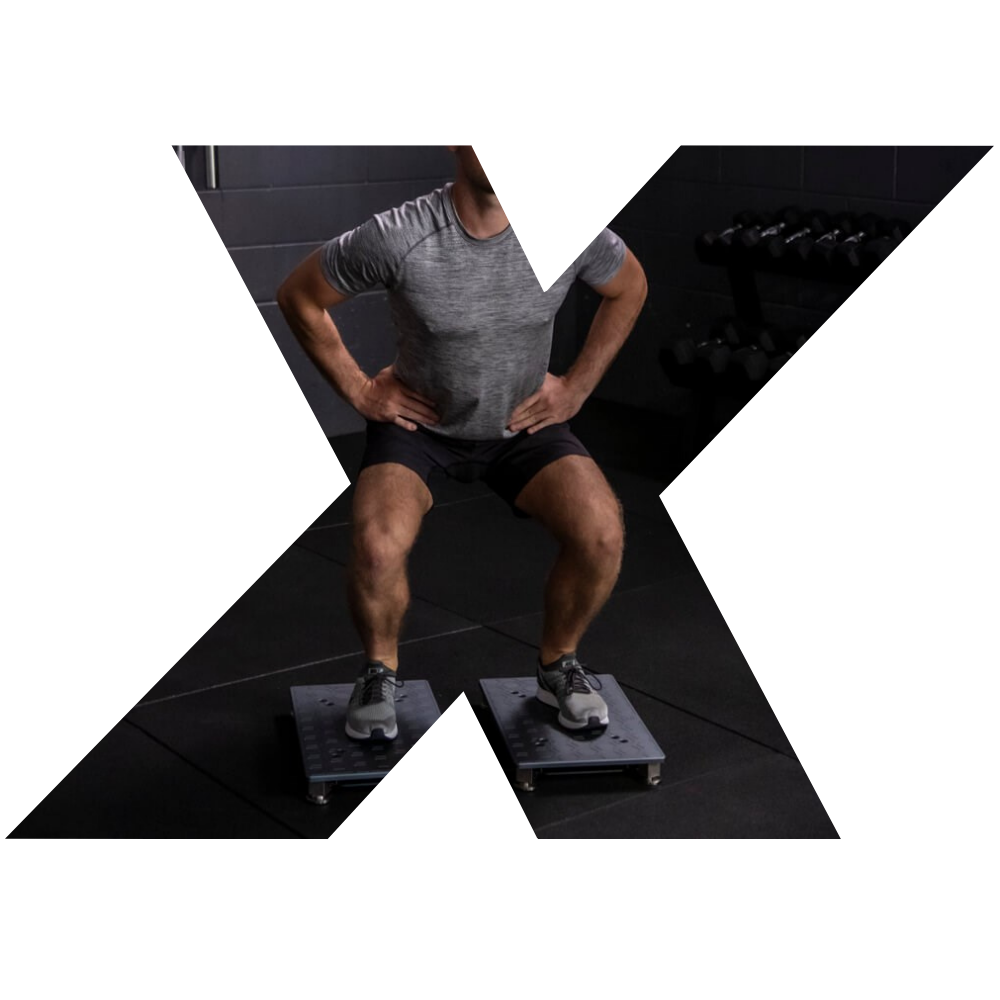
- Single-Leg Squat — identifies loading asymmetries and movement compensations under body weight
- Reactive Strength Index (RSI) — measures speed-strength, critical for cutting, pivoting, and sprinting sports
Conditions We Test
- ACL reconstruction recovery (most common referral)
- Meniscus repair or meniscectomy
- Ankle ligament reconstruction
- Hamstring tears and proximal hamstring repairs
- Hip labral repair
- General athletic performance and pre-season assessment
What to Expect at Your Session
Your session takes approximately 45–60 minutes. We begin with a short warm-up, followed by the force plate test battery. Each task is performed 3–5 times per limb, and results are automatically calculated and displayed in real time. You leave with a full written report including your LSI scores, normative comparisons, and a clear recommendation on readiness to return.
Frequently Asked Questions
How soon after surgery can I be tested?
Most return-to-sport testing is appropriate at 9–12 months post-ACL reconstruction, once you have completed structured rehab and your physiotherapist has cleared you for jumping and landing tasks. We can also test earlier in recovery to track progress.
Do I need a referral?
No referral is needed. You can book directly through our online booking system. However, many surgeons and physiotherapists refer patients to us specifically for objective clearance data before return-to-sport decisions.
Is force plate testing covered by insurance?
Force plate testing may be covered under extended health benefits as part of a physiotherapy session. We recommend checking with your insurance provider. Direct billing is available for select plans.
What if I don't pass the test?
A "failed" test result is actually extremely valuable — it tells us exactly where the deficit is and what training needs to happen before you're cleared. We'll provide a targeted program to address the weakness, and you can retest in 4–6 weeks.
Is the test mobile or do I come to a facility?
Our ForceDecks system is fully portable. Testing is conducted at a location convenient to you across Durham and York Region — whether that's a gym, sports facility, or your home.