Skip to content Skip to footer

are you actually ready to return to sport?

Return to Sport testing

Feeling better doesn’t mean you’re ready.

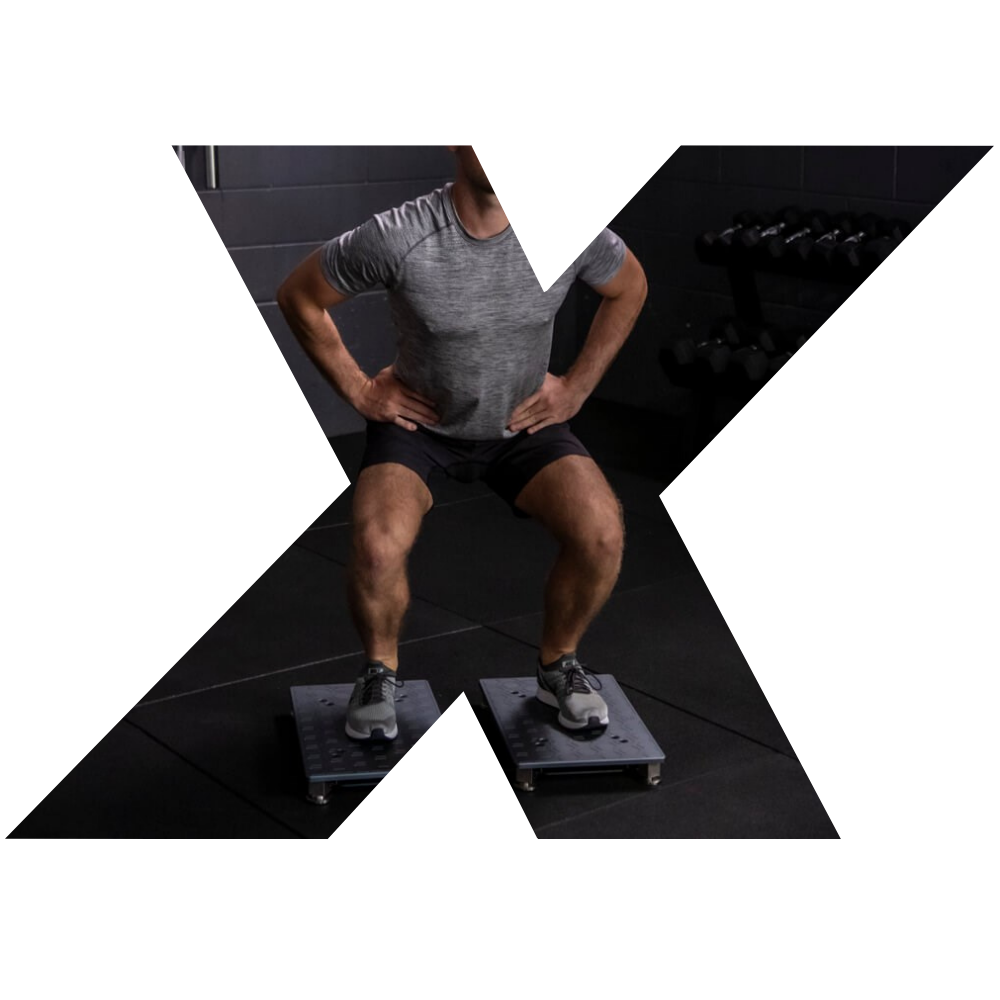
Force plate testing gives you objective data on strength, symmetry, and movement — so return-to-sport decisions are based on facts, not guesswork.

we give you objective answers - not guesswork

know where you stand

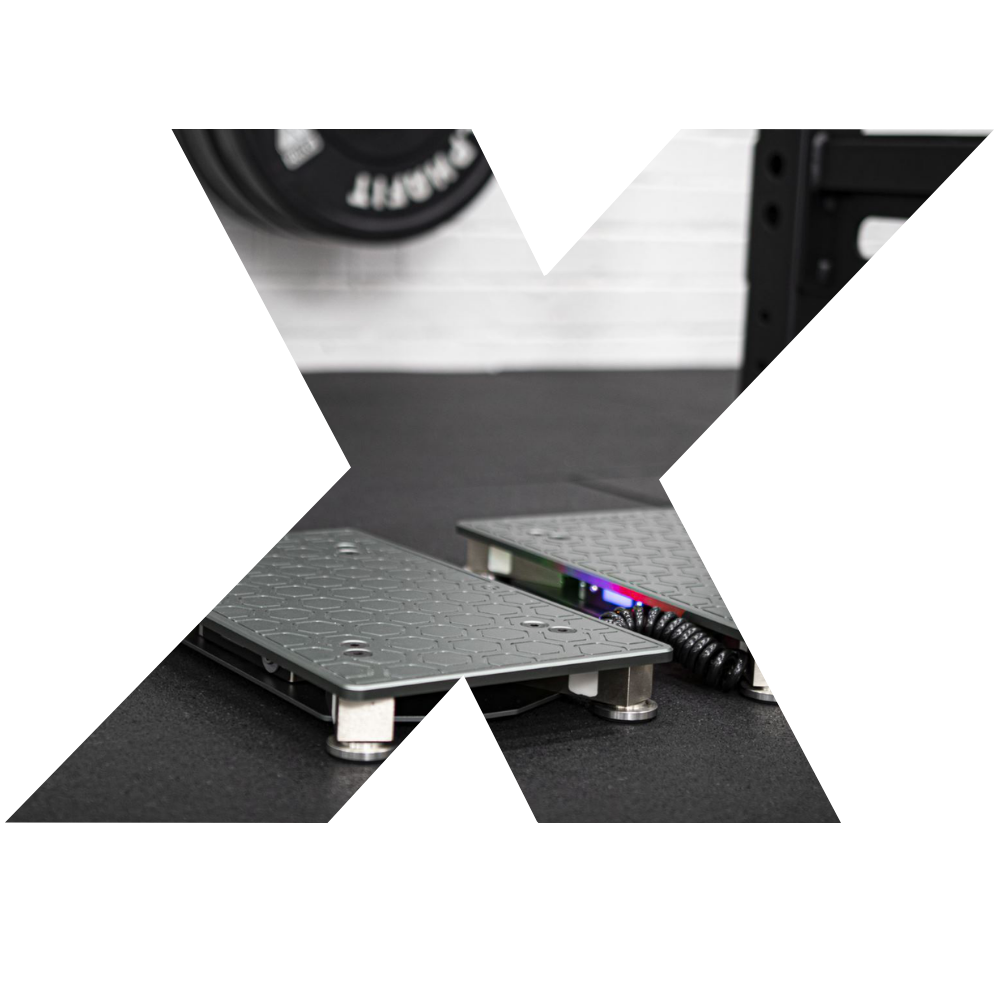
Using force plate technology, we measure:

Strength and power output

Left vs right asymmetry

Landing Mechanics

Readiness for return to sport

01
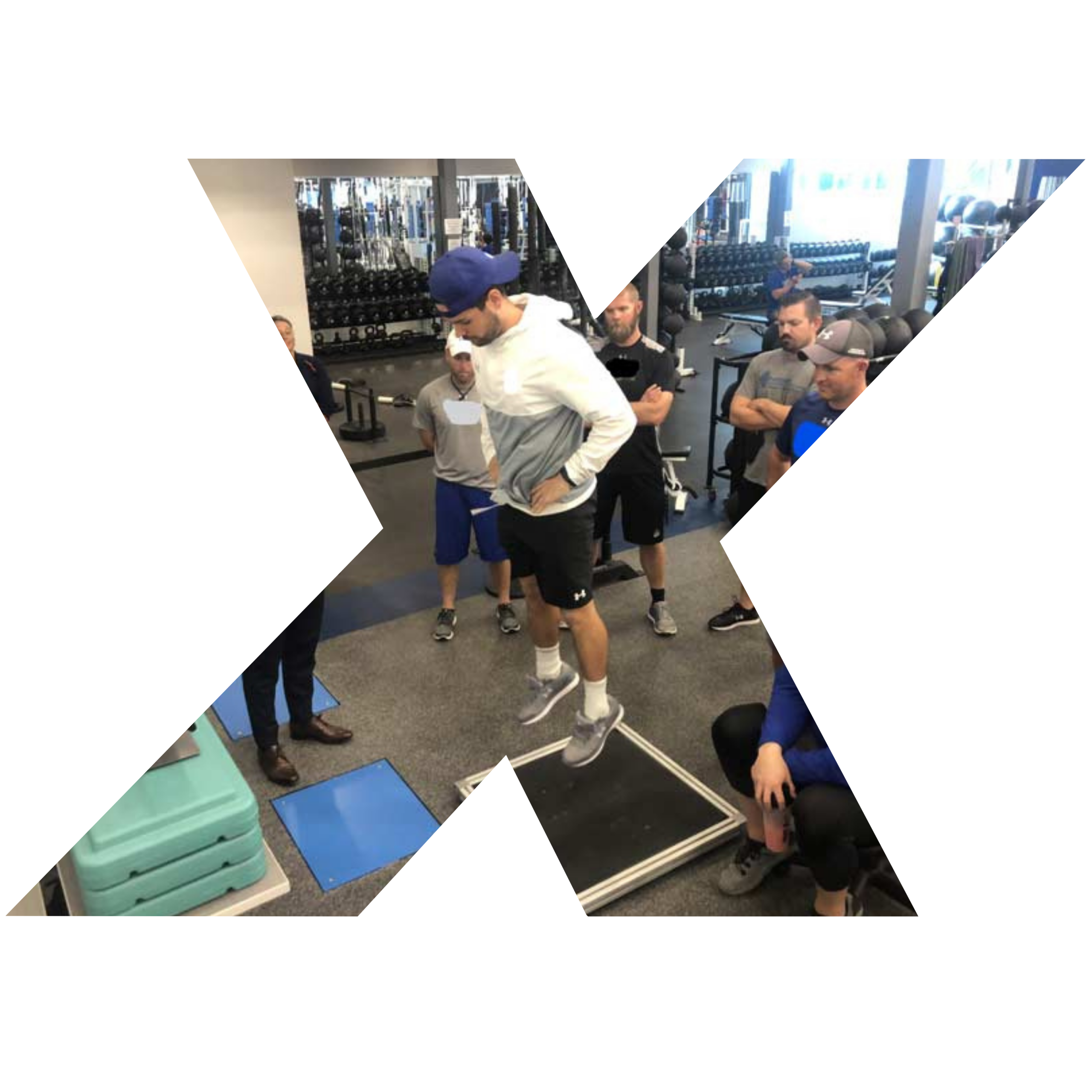
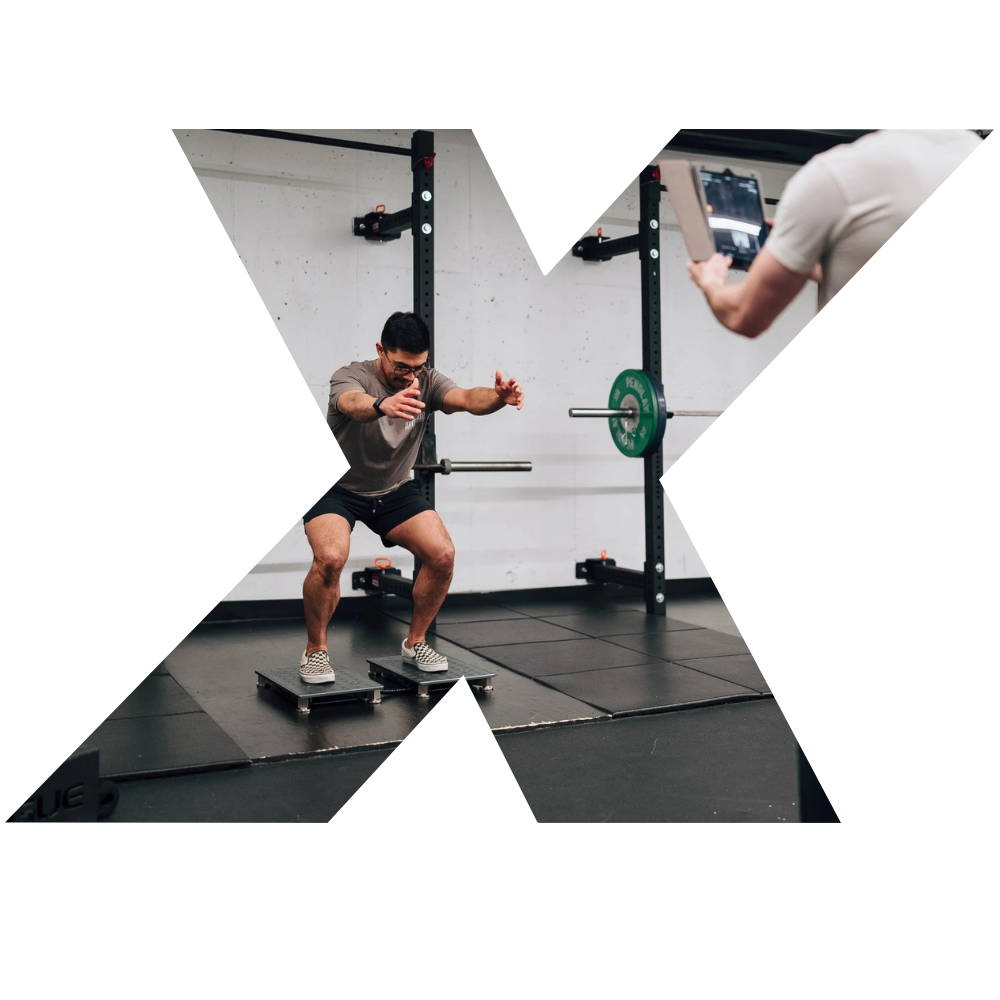
Perform guided movements such as jumps, landings, and strength tasks on the force plate.
Read More
02
We assess symmetry, force output, and movement mechanics using objective data.
Read More
03
Results are translated into clear, actionable insights for recovery progression and risk management.
Read More
04
Testing can be repeated over time to track improvement and confirm readiness to return to sport.
Read More
expert guidance, when you actually need it

How Force Plates Work

Force plates measure how your body produces and absorbs force during movements like jumping, landing, and squatting.

This provides objective data on strength, symmetry, and movement efficiency, helping identify deficits that aren’t visible during standard assessments.


For Athletes Who Want Real Insights

Who This Is Designed For

Force plate testing is designed for athletes who want objective insight into their recovery and performance, not just how they feel.

It is especially valuable for those:

  • Returning to sport after injury (e.g., ACL, knee, ankle)
  • Unsure if they are truly ready to return
  • Looking to identify strength or movement asymmetries
  • Wanting data to guide rehabilitation or performance

Even when athletes feel fully recovered, underlying asymmetries or deficits can still be present.

Force plate testing helps identify these gaps — so you return to sport safely and confidently.
Real Recovery Data.

What Force Plate Testing Measures

Force plate testing provides objective data on how your body generates and absorbs force during movement, helping identify deficits that may increase injury risk or delay full recovery.

01

Jump Performance Testing

Assess power, symmetry, and landing mechanics through jump-based tasks.
We measure:
• Jump height• Force production• Landing forces• Asymmetry between limbs

02

Movement & Load Analysis

Identify how force is distributed between limbs during movement.
This helps identify:
This helps detect:
• Strength imbalances• Compensatory movement patterns• Potential risk factors for re-injury

03

Performance Metrics

Testing provides objective data on:
• Peak force• Rate of force development• Power output• Landing control
These metrics allow clinicians to better understand how the athlete’s body is performing during explosive movements.

Real Recovery Data.

What Force Plate Testing Measures

Force plates capture detailed information about how the body generates and absorbs force during movement.

Testing may include:

01

Jump Performance Testing

Athletes perform jump tasks to assess power and limb symmetry.
These tests measure:
• jump height• force production• landing forces• asymmetry between limbs

02

Movement & Load Analysis

Force plates can detect subtle differences in how athletes load each limb during movement.
This helps identify:
• strength imbalances• compensatory movement patterns• potential risk factors for injury

03

Performance Metrics

Testing provides objective data on:
• peak force• rate of force development• power output• landing control
These metrics allow clinicians to better understand how the athlete’s body is performing during explosive movements.

testing based on your goals

Types of Force Plate Assessments

RecoveryX offers targeted force plate assessments based on your stage of recovery and performance goals.

Detect hidden imbalances and deficits before they lead to injury.

Confirm true readiness for sport — not just how you feel.

Measure strength, power, and movement efficiency to optimize performance and track progress.

For Athletes Who Want Real Insights

Who Benefits From Force Plate Testing

Force plate testing is designed for athletes who want objective clarity — not just how they feel.

Athletes recovering from ACL, knee, ankle, hamstring, Achilles, hip, or groin injuries.

Testing helps determine whether the body is truly ready to return to sport, not just symptom-free.

Teams and coaches looking to assess performance, identify imbalances, and monitor athlete readiness.

Objective data helps guide training decisions and reduce injury risk across the team.

Clinicians seeking objective data to support return-to-sport decisions and monitor rehabilitation progress.

Force plate testing provides measurable insight into strength, symmetry, and movement quality.

Supporting the entire team

Force Plate Testing for Sports Teams

RecoveryX offers force plate testing services for sports teams, academies, and training groups looking to better understand athlete performance and movement asymmetries.

Objective testing can provide valuable insights into how athletes generate force, absorb load, and control movement during explosive tasks such as jumping and landing.

Evaluate injured athletes as they progress through rehabilitation and determine readiness for return to sport.

Establish performance benchmarks to compare throughout the season and after injury.

RecoveryX can organize structured testing sessions for sports teams or training groups.

Teams receive:

• individual athlete reports
• symmetry data
• performance metrics
• recommendations for improvement

Simple Assessment Process

What to Expect During Your Assessment

A structured testing session designed to give you clear, objective insight into your performance and readiness to return to sport.

01

Preparation & Warm-Up


02

Force Plate Testing


03

Data Analysis


04

Performance Insights


05

Results & Next Steps


Simple Assessment Process

What to Expect During Your Assessment

A typical force plate testing session includes the following, ensuring athletes leave with a clear understanding of their performance metrics and areas for improvement.

01

movement preparation and warm-up


02

force plate jump and movement testing


03

analysis of limb symmetry and force production


04

review of performance metrics


05

discussion of results with the physiotherapist


Individualized Recovery & Training Plan

Based on your results, you’ll receive a structured plan designed to address asymmetries and performance deficits.

This may include:

• Strength development
• Power training
• Landing mechanics training
• Movement control exercises

The goal is to help you safely progress toward full return to sport, while reducing the risk of re-injury.

When to test

Force plate testing is valuable at multiple stages:

• During rehabilitation to monitor progress
• Return-to-sport clearance
• After injury to identify movement asymmetries
• As part of injury prevention screening

Physiotherapy Insurance Coverage

Assessments are performed by a Registered Physiotherapist and may be eligible for coverage under extended health benefits.

This allows you to receive objective testing and rehabilitation guidance while utilizing your physiotherapy coverage.


Sami Samdani, Registered Physiotherapist

Real Recoveries. Real Confidence.

About RecoveryX

RecoveryX is led by Sami Samdani, Registered Physiotherapist, who focuses on rehabilitation, recovery support, and objective movement assessment.

Force plate testing provides valuable insights into how athletes move and perform, helping guide safer return-to-sport decisions and rehabilitation strategies.

Reach Out to RecoveryX Today

Book a Force Plate Assessment

If you are an athlete, coach, or physician interested in objective return-to-sport testing, RecoveryX offers force plate assessments designed to evaluate movement performance and guide rehabilitation.

Book a testing session to better understand your movement patterns, performance metrics, and areas for improvement.